


 LIPOELASTIC TEAM
High-definition liposuction is not simply about removing fat. It is about sculpting, refining and revealing the natural athletic contours of the body with precision. For patients seeking a sharper abdomen, more defined flanks, a sculpted chest, a contoured waist or a more athletic silhouette, the surgical technique is only one part of the journey. The recovery phase matters just as much.
One of the most important elements of that recovery is the compression garment.

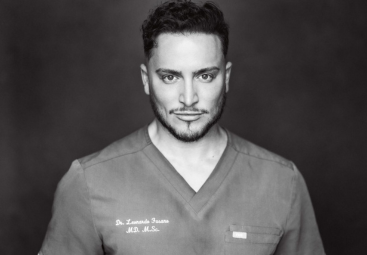
For Dr Leonardo Fasano, a body-sculpting expert known for his work in VASER liposuction, high-definition body contouring and Renuvion skin tightening, compression is not an afterthought. It is a critical part of supporting swelling control, tissue adaptation and patient comfort after surgery.
Dr Fasano has appeared on ITV’s Olivia Attwood: The Price of Perfection, where his work and approach to cosmetic surgery were featured in a national conversation about aesthetics, male body confidence and patient-centred treatment.
What is high-definition liposuction?
High-definition liposuction is an advanced form of body contouring designed to create more sculpted, athletic-looking definition.
Unlike traditional liposuction, which focuses mainly on reducing volume, high-definition liposuction aims to enhance the body’s natural anatomy. It may be used to define areas such as:
- the abdominal muscles
- the waist
- the flanks
- the lower back
- the chest
- the arms
- the thighs
- the transition between muscle groups
This type of procedure requires careful planning, detailed marking, precise fat removal and, in many cases, a strong understanding of muscular anatomy and proportion.
Dr Fasano explains:
“High-definition liposuction is about respecting the patient’s natural anatomy and creating definition that still belongs to their body. The goal should be sculpted, balanced and believable; definitely not artificial.”
Because high-definition liposuction creates more detailed contouring, the recovery process must support that detail. This is where compression garments become especially important.
Why compression matters after high-definition liposuction
After liposuction, the body naturally goes through swelling, bruising, fluid movement and tissue healing. Compression garments are commonly used to help support the treated areas during this period.
The right garment may help with:
- supporting the tissues after fat removal
- reducing post-operative swelling
- helping the skin and soft tissue adapt to the new contour
- improving comfort during movement
- helping patients feel supported and protected
- reducing friction from clothing
- supporting posture and confidence during the early recovery phase
For high-definition liposuction specifically, compression needs to be well designed because the treated areas are often more anatomically detailed. Poorly fitted compression may create discomfort, pressure marks or uneven compression.
Dr Fasano says:
“After high-definition liposuction, we are trying to preserve and support a very detailed surgical result. The garment needs to compress evenly, support the areas treated and allow the patient to recover safely and comfortably.”
The best compression garment is not simply the tightest one
A common misconception is that tighter compression is always better.
That is not true.
A compression garment should feel supportive, but it should not cause excessive pain, numbness, skin damage, breathing restriction or deep folds in the skin. If the garment digs into the body, rolls down, creates hard edges or becomes unbearable to wear, it may not be the correct fit.
Dr Fasano explains:
“Patients sometimes think that if the garment is extremely tight, it must be doing more. That is not how I approach recovery. Compression should be appropriate, consistent and well fitted. Too much pressure in the wrong area can create problems.”
A good post-operative garment should provide:
- stable compression
- smooth contact with the body
- appropriate support across the treated areas
- comfortable wear for extended periods
- easy access for hygiene and dressing changes
- enough flexibility for safe movement
- secure closure systems
- minimal visible ridges under clothing
This is particularly important after high-definition liposuction, where uneven compression may interfere with comfort and potentially affect the way swelling settles.
What makes a garment suitable for high-definition liposuction?
Not every compression garment is ideal after high-definition liposuction. Patients should follow their surgeon’s advice, but several features are especially important.
1. Anatomical design
A high-quality garment should follow the shape of the body rather than simply squeezing it. High-definition liposuction often involves multiple transition zones, such as the abdomen into the flanks, the flanks into the lower back, or the chest into the upper abdomen.
A garment with good anatomical shaping can support these areas more evenly.

2. Consistent compression
Compression should be distributed smoothly. Uneven compression can create discomfort or pressure points, especially around the waist, ribs, groin, knees or underarms.
3. Comfortable fabric
Patients may need to wear compression for several weeks, depending on the treatment plan. The fabric therefore needs to be breathable, durable and comfortable enough for regular use.
4. Secure fastenings
Hooks, zips and closures should help the garment stay in place without digging into the skin. Adjustable fastenings may be useful as swelling changes during recovery.
5. Correct sizing
Sizing is crucial. A garment that is too loose may not provide enough support. A garment that is too tight may become unsafe or intolerable.
Not sure of your size? Follow our step-by-step measuring guide to find the right fit.
6. Suitability for the treated area
Different procedures require different garments. A patient having abdominal high-definition liposuction may need a different garment from someone having chest sculpting, arm liposuction or thigh contouring.
LIPOELASTIC and post-operative compression
LIPOELASTIC is a European producer of post-operative compression garments and bras, with a range of garments designed for recovery after plastic, aesthetic and reconstructive procedures. Its UK website describes the company as a specialist in post-operative compression garments since 2002.
For high-definition liposuction patients, garment selection should always be guided by the surgeon, but LIPOELASTIC’s product range can support different body areas and treatment needs.

Depending on the procedure, patients may require garments such as:
The correct garment depends on the areas treated, the extent of liposuction, the patient’s body shape and the surgeon’s post-operative protocol.
About Dr Leonardo Fasano
Dr Leonardo Fasano is a body-sculpting and aesthetic doctor specialising in VASER liposuction, high-definition body contouring, fat transfer and Renuvion skin tightening. The clinics where he works describe him as an established body-sculpting specialist, with areas of expertise including VASER liposuction, fat transfer and Renuvion plasma skin tightening.
He has appeared on ITV’s Olivia Attwood: The Price of Perfection, contributing to national conversations around cosmetic surgery, patient safety, body confidence and realistic expectations.
He sees patients in London and Birmingham, and his clinic website lists contact details for patients wishing to book a consultation.
Dr Fasano has also been featured in Men's Health UK, where he has shared expert insights on body sculpting, aesthetic medicine and patient-centred cosmetic surgery.
How to contact Dr Leonardo Fasano
Patients interested in high-definition liposuction, VASER liposuction, Renuvion skin tightening or body-contouring treatment can contact Dr Fasano’s team through Health Excel.
- Website: healthexcel.co.uk
- Email: info@healthexcel.co.uk
- Locations: London and Birmingham
Continue Reading
In part two, Dr Fasano explains how your garment needs change during recovery, how long to wear compression, the warning signs to look out for and his practical tips for protecting your result.





 England


 Wales
 Scotland
 Northern Ireland
 Isle of Man
