


 LIPOELASTIC TEAM
 Once you understand why skin changes during weight loss, the next step is knowing what you can actually do about it. The good news is that supporting your skin doesn't require a complicated routine or expensive treatments - it requires consistency.
This guide focuses on simple, realistic habits that work with your body through every stage of the process.
.png)
Start Early - Why Timing Matters
One of the most common mistakes people make is waiting until weight loss is complete before thinking about skin support. By then, the skin has already been through the most significant period of change without any help.
Starting early gives your skin more time to adapt gradually alongside your body - reducing the likelihood of sudden or pronounced changes and making the overall transition smoother. Whether you're at the beginning of your journey or already well into it, now is always the right time to start.
Build a Daily Support Routine
Consistency matters far more than intensity. Small, intentional habits repeated daily will always outperform occasional efforts, no matter how significant. The goal is to build skin support into your existing routine, so it becomes second nature.
(1).png)
Morning
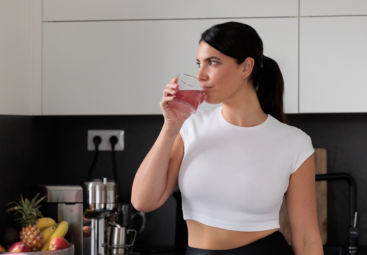
- Hydrate early as part of your daily routine.
- Add light movement or stretching to help you feel energised for the day.
- Choose supportive, comfortable clothing that moves with you.
Throughout the Day
- Keep hydration consistent rather than trying to catch up later.
- Maintain good posture and build in regular movement, even if it is only short walks.
- Avoid long periods of inactivity when possible.
Evening
- Gentle skincare or self-massage can be a calming part of your routine.
- Prioritise balanced, nutrient-rich meals.
- Make rest and sleep a priority as part of your overall wellbeing.
Where Supportive Shapewear Fits In
Supportive everyday shapewear can be one practical part of a weight loss wardrobe. Some people find that light-support garments help them feel more comfortable, more secure in their clothing, and more confident as their body shape changes.
Daily Wear
Wearing light-support garments during the day can provide a consistent feeling of comfort and hold. As your body changes, this may help clothing feel smoother and make day-to-day wear more comfortable.
Consistency
Supportive shapewear should feel comfortable and easy to wear. The goal is not restriction, but a level of light everyday support that fits naturally into your routine.
Supporting Your Skin from the Inside
Supporting your skin during weight loss is not only about what you wear or how you care for your skin on the outside. Everyday habits such as balanced nutrition, hydration, and consistency can all form part of a supportive routine during periods of body change.
- A varied diet with adequate protein, vitamins, minerals, and healthy fats contributes to overall wellbeing and is an important part of everyday self-care. Some people also choose collagen supplements as part of their daily routine during weight loss.
- While loose skin cannot always be avoided, a balanced lifestyle and consistent daily habits can help you feel more supported throughout the process. Small steps, repeated over time, often make the biggest difference to how confident and comfortable you feel during change
- Collagen supplements may play a supportive role in maintaining skin elasticity and resilience during periods of significant body change - particularly useful when weight loss is rapid or substantial. LIPOELASTIC Collagen can be included as part of a daily wellness routine.
(1).png)
Note: This content is for general informational purposes only and is not medical advice. Our products are not intended to diagnose, treat, cure, or prevent any disease. Individual experiences may vary. If you have concerns about loose skin, rapid weight loss, or medication-related changes, seek advice from a qualified healthcare professional.
Internal Link
→ Want to understand the science behind loose skin? Start here: Why Skin Gets Loose During Weight Loss
References
- Al-Atif, Hend. “Collagen Supplements for Aging and Wrinkles: A Paradigm Shift in the Field of Dermatology and Cosmetics.” Dermatology Practical & Conceptual, vol. 12, no. 1, 2 Feb. 2022, p. e2022018, www.ncbi.nlm.nih.gov/pmc/articles/PMC8824545/, https://doi.org/10.5826/dpc.1201a18.
- Daniel Y. Maman, MD | New York, and September 25 Monday. “The Importance of Compression after Plastic Surgery.” American Society of Plastic Surgeons, 2023, www.plasticsurgery.org/news/blog/the-importance-of-compression-after-plastic-surgery.
- Halson, Shona L. “Sleep in Elite Athletes and Nutritional Interventions to Enhance Sleep.” Sports Medicine, vol. 44, no. S1, May 2014, pp. 13–23, link.springer.com/article/10.1007/s40279-014-0147-0, https://doi.org/10.1007/s40279-014-0147-0.
- Oizumi, Ryosuke, et al. “The Potential of Exercise on Lifestyle and Skin Function: Narrative Review.” JMIR Dermatology, vol. 7, no. 1, 14 Mar. 2024, p. e51962, derma.jmir.org/2024/1/e51962/, https://doi.org/10.2196/51962.
- Palma, Lidia, et al. “Dietary Water Affects Human Skin Hydration and Biomechanics.” Clinical, Cosmetic and Investigational Dermatology, vol. 8, no. 8, Aug. 2015, p. 413, www.ncbi.nlm.nih.gov/pmc/articles/PMC4529263/, https://doi.org/10.2147/ccid.s86822.
- Pullar, Juliet M., et al. “The Roles of Vitamin c in Skin Health.” Nutrients, vol. 9, no. 8, 12 Aug. 2017, p. 866, https://doi.org/10.3390/nu9080866.





 England



 Wales
Wales
 Scotland
 Northern Ireland
 Isle of Man
