


 LIPOELASTIC TEAM
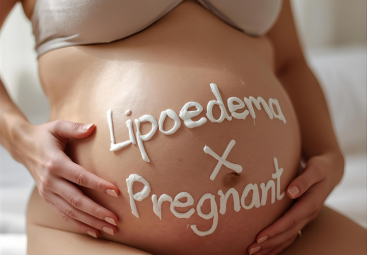
 Pregnancy is a special time during which the body goes through many changes. For women with lipoedema, these changes can have an additional impact on daily comfort and symptoms. In this blog, we explain what happens to lipoedema during pregnancy, how you can support your body, and what to keep in mind.
.png)
What happens to lipoedema during pregnancy?
During pregnancy, the body produces more hormones - particularly oestrogen and progesterone. These hormones cause the connective tissue to become more relaxed and encourage the body to retain fluid, helping it prepare for the baby’s growth.
For women with lipoedema, this may mean:
- Increased swelling and fluid retention, especially in the legs and arms
- A stronger feeling of pressure or pain in the affected areas
- Weight gain becoming more visible in typical lipoedema areas (legs, hips, arms)
These changes are temporary, but it is important to provide your body with extra support during this time.
How can you support lipoedema during pregnancy?
1. Compression garments
Compression garments can be worn during pregnancy - as long as they are properly fitted and recommended by a healthcare professional. They may help support circulation and reduce the feeling of heavy or tired legs.
It is generally recommended to choose compression class 2, unless advised otherwise by your doctor or therapist.
⚠️ Important: Compression around the abdomen ⚠️
Compression around the abdomen - such as medical leggings or shapewear with a high waist - is not recommended during pregnancy, especially from the second trimester onwards. The pressure may feel uncomfortable and is not designed for a growing belly.
Instead, choose maternity compression garments that are specifically designed to leave the abdomen free, with a soft, elastic section that adapts as your body changes. This way, you can still benefit from compression without unnecessary pressure or risk for you or your baby.
2. Stay active
Light, regular movement can help support circulation and lymphatic flow. Swimming, walking, or gentle pregnancy yoga are excellent options.
Avoid long periods of standing or sitting, as this can increase fluid retention.
3. Stay hydrated and eat well
Drinking enough water helps the body eliminate waste. Combine this with a balanced diet rich in fibre, healthy fats, and protein.
Excess salt can contribute to fluid retention, so it is best to limit it where possible.
4. Listen to your body
Every pregnancy and every body is different. If you experience more pain, swelling, or discomfort than usual, consult your GP, midwife, or lymphoedema therapist.
They can provide guidance on safe compression use and any adjustments needed in your care.
After childbirth
After giving birth, your body needs time to recover - especially if you are dealing with lipoedema or fluid retention.
The FLOW leggings provide exactly what you need during this phase: gentle compression with a subtle massage effect. This helps stimulate the lymphatic system, reducing swelling and helping your legs feel lighter again.
The leggings also support circulation and lymphatic drainage, while helping improve skin texture and reduce the appearance of cellulite.
They are ideal for women who want to support their body after pregnancy in a comfortable way - with added focus on recovery, circulation, and everyday comfort.
.jpg)
Conclusion
During pregnancy, lipoedema symptoms may temporarily worsen due to hormonal changes. Fortunately, there are safe ways to support your body.
Wearing the right compression garments can help reduce pain, swelling, and the feeling of heavy legs. In addition, staying active, hydrated, and maintaining a balanced diet all contribute to a healthy and responsive lymphatic system.
Always consult a qualified healthcare professional to determine what is best for your individual situation. With the right care, attention, and compression, you can stay comfortable throughout pregnancy and give your body the support it deserves.
You might also find this interesting:
- How having children can change your body and why women seek plastic surgery after giving birth. | LIPOELASTIC
- C-Section Recovery: Why Compression Garments Are Essential for Healing | LIPOELASTIC
- Lipodema Myths and Facts Explained | LIPOELASTIC
- Understanding Lipoedema, download your FREE Lipoedema E-Book | LIPOELASTIC





 England


 Wales
Wales
 Scotland
 Northern Ireland
 Isle of Man
